Crimson Desert Reviews: Unpacking the Divided Verdict & High Hype
The gaming world has been holding its breath, and now, the moment of truth has arrived. The global Crimson Desert review embargo lifted this afternoon, a mere 24 hours ahead of the game's highly anticipated March 19, 2026 launch. Developed by the renowned studio Pearl Abyss, this sprawling single-player action-adventure has graced wishlists and fueled forum discussions for years. With critics now having delved deep into the war-torn continent of Pywel, the initial verdicts are beginning to pour in, revealing a fascinating, albeit divided, critical landscape. Many are quick to label it a generation-defining masterpiece, while others highlight its breathtaking innovations alongside its undeniably intensive hardware demands. So, does this monumental title truly live up to the hype?
The late embargo drop initially stirred a whisper of anxiety among fans, a common reaction to such last-minute reveals. However, the emerging reviews paint a picture of a triumphant, if incredibly demanding, experience. This article will unpack everything you need to know about the critical consensus, the notorious hardware benchmarks, and whether this ambitious title successfully navigates the monumental wave of expectation.
The Tight Embargo Timing: A Red Flag, Or A Sign of Confidence?
The timing of a review embargo lift often sparks considerable discussion within the gaming community. For Crimson Desert, the embargo lifted on March 18, 2026, just one day before its official launch. This last-minute timing can sometimes be perceived as a potential red flag, leading players to question a developer's confidence in their product.
However, as seasoned gamers know, this isn't always the case. Many high-quality, successful titles have also opted for review embargoes that lift shortly before launch. The real concern, industry veterans often point out, is when an embargo lifts *after* a game has already been released, which can indicate a lack of faith in the day-one experience. In Crimson Desert's situation, the pre-launch embargo suggests Pearl Abyss is confident in what they've created, wanting players to have access to critical opinions before making their purchase decision, albeit with a short window. This tight turnaround means that while the verdict is out, potential buyers will need to act quickly to absorb the information.
Visceral Combat & A Dynamic World: Where Crimson Desert Shines
When it comes to the core mechanics, the early Crimson Desert gameplay scores are overwhelmingly positive, cementing it as a frontrunner for one of the best action RPGs 2026 has to offer. Critics have lavished praise on the visceral, weight-driven combat system, masterfully powered by Pearl Abyss's upgraded proprietary BlackSpace Engine. Players step into the weathered boots of Kliff, a battle-hardened mercenary leading the Greymanes through a gritty medieval fantasy landscape fractured by political turmoil.
Reviewers consistently highlight the sheer variety and fluidity of enemy encounters. From intimate, muddy skirmishes against rival human factions to cinematic, multi-stage boss fights featuring colossal mechanical dragons, the game's combat system never ceases to impress. The intricate blend of precise swordplay, brutal wrestling moves, and dynamic environmental takedowns creates an experience that is both challenging and deeply satisfying. This isn't merely about mashing buttons; it requires tactical precision, a deep understanding of elemental effects, and the clever exploitation of enemy weaknesses using specific weapon coatings or by leveraging the terrain to your advantage. Every hard-fought victory feels genuinely earned, fostering a sense of mastery that keeps players coming back for more.
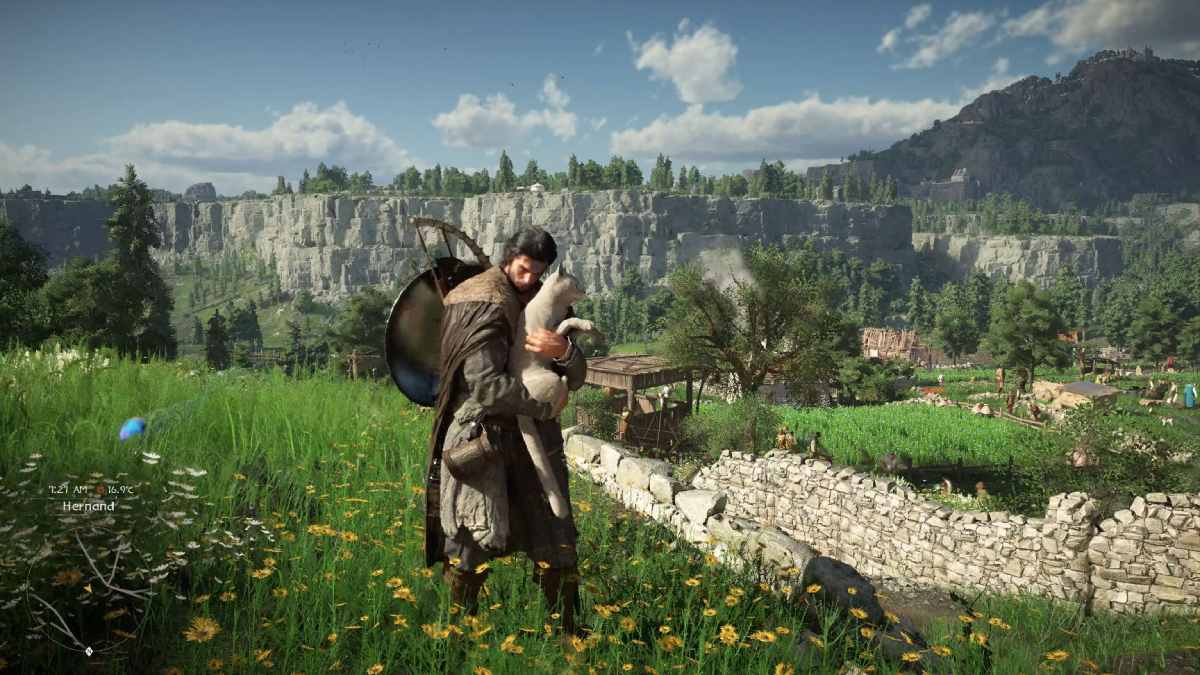
Beyond the bloodshed, the environment itself serves as a major character. For those seeking a comprehensive Pywel open world guide, the most crucial takeaway from today's reviews is the sheer density and verticality of the map. The continent of Pywel (often stylized as Pywell by eager fans online) is completely seamless, featuring dynamic, real-time weather systems that directly impact gameplay mechanics. Imagine a sudden sandstorm reducing visibility, forcing a change in combat strategy, or heavy rain turning a path into a treacherous muddy slide.
Critics were blown away by the living, breathing nature of the world. NPCs follow distinct, complex daily routines, and emergent events trigger naturally as you explore the vast wilderness on horseback. While the intense main storyline drives much of the action, activities like deep-sea fishing, intricate cooking systems, crafting, and hunting offer a relaxing, yet engaging, breather. However, reviewers universally warn that exploration can be punishingly difficult. The game refuses to hold your hand, rewarding only those who carefully prepare and approach the world with strategic intent. This uncompromising design choice contributes significantly to the game's immersive quality, making every discovery and challenge feel consequential. To dive deeper into these standout features, check out our related article: Crimson Desert's Combat & Pywel: Unpacking the Open-World Masterpiece.
The Divided Verdict: High Hype Meets High Demands
Despite the overwhelming praise for its combat and world-building, the critical conversation around Crimson Desert remains heavily divided due to one significant factor: its intensive hardware demands. While many critics hail it as a "generation-defining masterpiece," this accolade often comes with a crucial caveat – you'll need a top-tier PC to experience it as intended. The visual fidelity, expansive seamless world, and complex real-time systems push modern hardware to its absolute limits, meaning a smooth, high-fidelity experience is currently reserved for those with the most powerful gaming rigs.
This isn't merely a minor inconvenience; it forms the crux of the "divided verdict." Players with mid-range or older systems may find themselves making significant compromises on graphical settings, potentially impacting the very immersive experience that reviewers are raving about. Frame rate drops, texture pop-ins, and longer loading times could become unfortunate realities for many, diminishing the game's otherwise stellar presentation.
Practical Advice for Prospective Players:
- Check Specs Immediately: Before pre-ordering or purchasing, rigorously compare your PC's specifications against the official minimum and recommended requirements for Crimson Desert. Pay particular attention to your GPU, CPU, and RAM.
- Review Benchmarks: Keep an eye out for detailed performance benchmarks from various tech reviewers. These will offer real-world data on how different hardware configurations handle the game.
- Consider Future-Proofing: If your system is on the cusp, this might be the title that finally pushes you towards an upgrade. Pearl Abyss has created a visually stunning world, but it comes at a premium.
- Patience for Optimization: While day-one performance is a concern, many developers release optimization patches post-launch. If you're hesitant due to hardware, waiting a few weeks might yield a more refined experience.
This hardware barrier raises an important question: can a game be truly "generation-defining" if it's inaccessible to a significant portion of the current generation's player base? While the ambition is clear, the execution undeniably requires a substantial investment in gaming hardware. For more detailed analysis on this, refer to: Crimson Desert Reviews Are Here: Combat, Hype & PC Demands Explored.
Living Up to the Monumental Hype: A Triumphant, Yet Demanding, Experience
So, does Crimson Desert truly live up to the monumental hype that has preceded it for years? The answer, like the critical reception, is nuanced. For those equipped with powerful hardware and a penchant for challenging, deep action RPGs, the answer is a resounding yes. The game's innovative combat, breathtaking Pywel open world, and engaging narrative combine to deliver an experience that critics are calling a true spectacle.
However, for players with more modest systems, or those who prefer a less punishing, more guided experience, the journey through Pywel might prove to be a frustrating one. The high hardware barrier, combined with the game's uncompromising difficulty, means that Crimson Desert isn't for everyone. It demands dedication, preparation, and a rig capable of rendering its ambitious vision.
Ultimately, Crimson Desert appears to be a triumph of ambition and technical prowess, a testament to Pearl Abyss's commitment to pushing boundaries. Its ability to create a truly immersive, challenging, and rewarding world is undeniable. But as the Crimson Desert embargo lift reveals, that experience comes with a significant price tag, both in terms of financial investment in hardware and a commitment to mastering its intricate systems. It's a game that will undoubtedly define a generation for a segment of the gaming population, while for others, it might remain a tantalizing, yet out-of-reach, masterpiece.